International Cafe
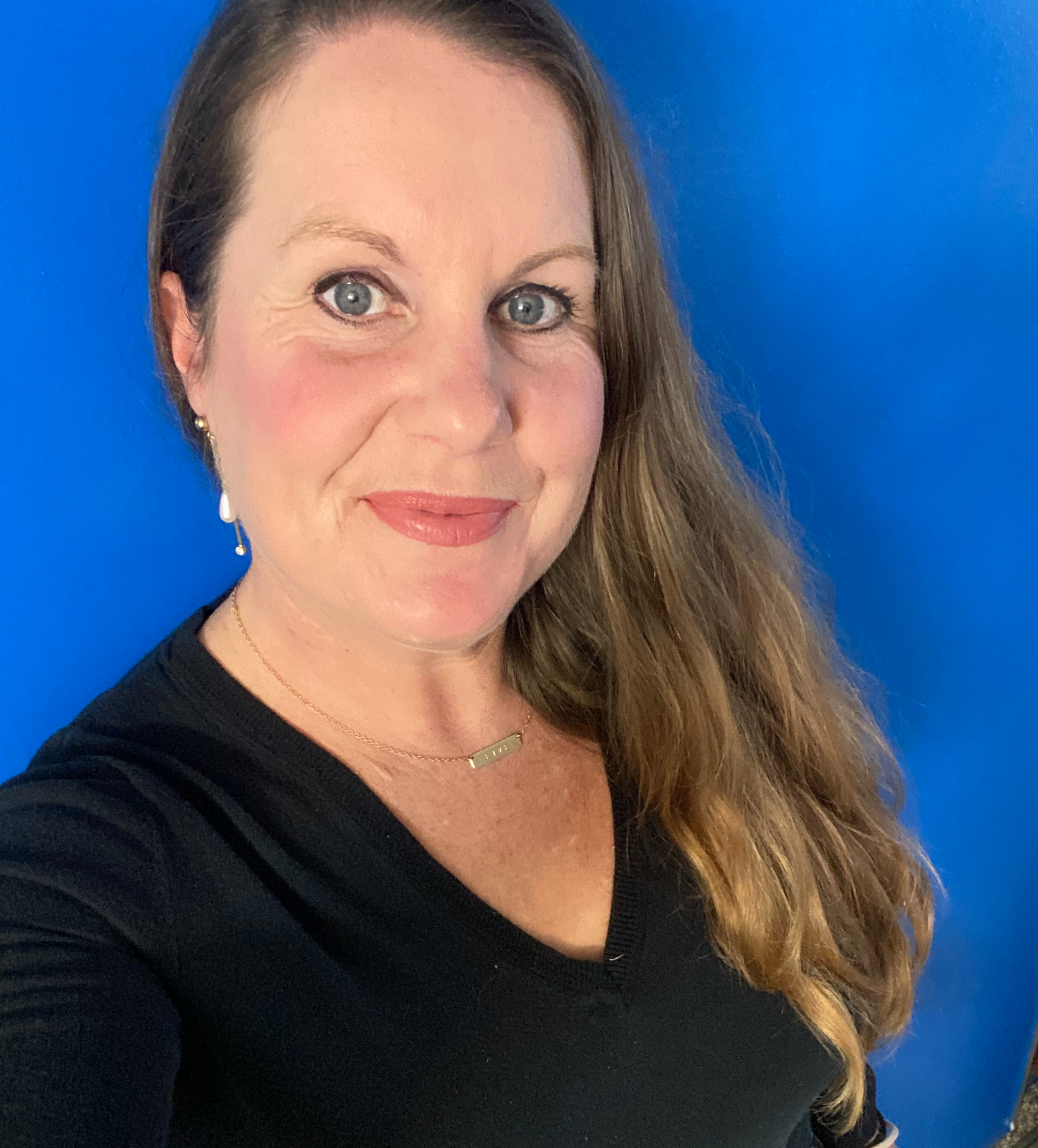

In a myriad of attempts to find in-person human connection this year, I began attending a group where I was sure to find people that shared some of my values - an International Cafe, where people come together to speak a plethora of languages.
At the International Cafe, I found just the community I was looking for. Some of the attendees during my visits have included a tech guy from Mexico City who also speaks French, a Japanese woman who leads the Japanese group discussions, a woman studying Croatian for her upcoming travels there, a French aerospace engineer who has lived all over the world, and a younger American woman from the East Coast who exudes sunshine and puts my Spanish to shame while being incredibly patient with me. I feel most at home in this hodge podge of language speakers where we all understand what it's like to feel misunderstood - literally and figuratively.
Living in a multitude of countries has taught me to value all cultures in such a way that I don't see American culture as any better or worse than others, just different. I am not a believer in American exceptionalism or even the notion of European exceptionalism. Much like I do with religion, I take the bits of other cultures I like, and leave the bits I don't like. Unfortunately for me, I find that even among the international crowd, I can be unique in my world view.
All of this to say, when at my third International Cafe gathering, I entered into a conversation with a Welsh gentleman who didn't speak any other language other than English, I found myself profoundly frustrated when he began to express his attitude towards immigrants. Upon being introduced to a Frenchman, he launched into a monologue about how immigrants to France hate France and how the immigrants to the U.K. need to do a better job assimilating to the existing culture. Here was this monolinguistic man, in a country not his own, invited to an International Cafe where people come together to speak different languages, many of them, like him, immigrants to the U.S., preaching about assimilation. Unfortunately, I feel my antagonism to such sentiments so viscerally that I have trouble expressing myself and sharing my own point of view in a calm and reasonable manner. It didn't matter that not everything he said was completely wrong, once he got me irked, I was unable to follow through with the conversation. I hope to do a better job of that here and perhaps in the future.
My experience living overseas has lead me to believe that the very concept of assimilation is a myth perpetuated by powerful colonial powers. Assimilation assumes that culture is a monolith and that people must give up parts of themselves and assume the so-called dominant culture's way of life. This concept is problematic to me for a few reasons. First of all, humans have been influencing one another's cultures since the beginning of history. Secondly, one need only spend a day in a classroom anywhere in the world to understand that culture is split in so many different directions that it is near impossible to dictate which of these subcultures one should adapt to. Even within families, we can't agree on how to celebrate holidays.
The idea of there being a single dominant culture anywhere in the world is mind-boggling to me. My own family doesn't even conform to a single culture! I have a brother who loves living in the heart of downtown, spends his evenings at the bar he owns, and watches or attends hundreds of baseball games a year. Though we were all raised in the Catholic Church, I don't even know if he believes in god anymore. Meanwhile, my sister goes to a Christian, but not Catholic, church every Sunday and attends additional Bible studies during the week. She isn't particularly into drinking and has never done drugs in her life. She watches sports only if invited on a special occasion. I have another brother, an atheist, who practices polyamory and smokes weed on a daily basis,and recruits for his Fantasy Football team every year. For me, my ideal place to live is in a small town or suburb surrounded by nature, peace and quiet, where I can get away from people and their pot smoking when I want to and spend the day at the beach or hiking. As far as I'm concerend god is inconsequential, the existence or lack thereof, irrelevant to how I live my life. Soccer, on the other hand, plays a prominent role in my downtime. Football is life, as Danny Rojas says.
So which then of these cultures must an immigrant be urged into adopting for their own? Which set of their own values must they give up in order to adapt to which aspect of this American culture? Which of your deeply rooted spiritual beliefs, favorite foods and leisure activities, which nuances in your mother tongue would you be willing to give up if you lived in another country?
IPeople shouldn't give up their primary languages . I am both a quick learner of languages and a butcherer of accents, but I enjoy speaking other languages, because it allows me to connect with more people, learn more, and build a better understanding of the world. Sadly, in the same way that I have no pitch when it comes to singing, my pronunciation of languages leaves some people preferring to speak English to me if they have any command of it whatsoever. That said, I have a knack for developing vocabulary - I have successfully become conversational - enough to meet my needs and make friends in Spanish, French, Macedonian, and Albanian. Unfortunately, I also have a knack or forgetting languages as quickly as I learned them. As the adage goes, if you don't use it, you lose it.
My complete disregard for perfectionism in an attempt to communicate is both my greatest language strength and weakness. For this reason, I struggle to articulate complex ideas in other languages and my conversation partners often lose interest at my attempts. Those who are truly fluent in multiple languages don't always have the patience for me, especially as I age and grow rounder in the belly. I know what it's like to have so much to say, but feel like an idiot, because I don't have the words to express myself. And that's just in English, my best language, so I sympathize with those who immigrate to a country and wanting to avoid sounding like a toddler in a new language, stick to the tongue that allows them to fully express themselves - even if it limits who they can talk to.
When I was speaking my adopted languages in my adopted countries, my brain would get tired, constantly having to think in two or sometimes even three languages. The ability to be in a work or social place where I could return to my primary language was like ice water in the desert. While I value multilingualism, I also know how difficult it is to be a polyglot, particularly as I age and find myself hunting for words in my own language!
_____
If you're in San Diego's North County and would like to join us at International Cafe, we meet every other Monday at 6 pm at Pure Project in Carlsbad. Check the Meet Up App for meeting dates.

Comments